

Transportar mercancías en camión suena sencillo. Llamas a una empresa, te envían un camión y llega tu mercancía. Pero la realidad se impone alrededor del kilómetro 600, justo cuando tu cliente te envía un correo electrónico preguntando dónde están sus palés, y no tienes ni idea porque el conductor no contesta al teléfono.
Llevo suficiente tiempo en el sector de la logística como para saber que los folletos publicitarios llamativos y las promesas de "soluciones integrales para la cadena de suministro" no sirven de nada cuando te enfrentas a una notificación de envío retrasado. Lo que de verdad importa es comprender los aspectos básicos, saber qué preguntar y encontrar un socio de transporte que no desaparezca cuando las cosas se complican.
Este artículo abarca todo lo que realmente necesita saber sobre el transporte de mercancías por carretera, desde FTL estándar hasta transporte especializado. Transporte de alimentos en cadena de frío entre China y EuropaSin jerga ni palabrería corporativa. Solo información útil que podría ahorrarte algunos quebraderos de cabeza.
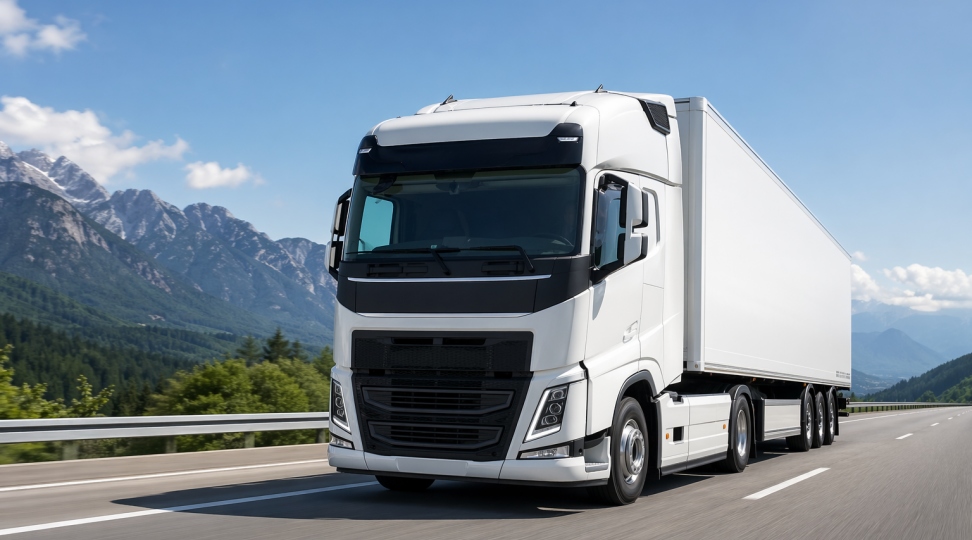
El transporte por carretera consiste simplemente en trasladar mercancías en camión. Así de sencillo. Pero la variedad es enorme: desde un solo palé que va a dos pueblos de distancia hasta camiones completos que cruzan seis países.
La razón por la que tantas empresas dependen del transporte terrestre radica en su flexibilidad. Los barcos tienen horarios de navegación fijos. Los aviones tienen espacio de carga limitado y tarifas prohibitivas. ¿Y los camiones? Se pueden ajustar los horarios de recogida, cambiar las direcciones de entrega y reorientar la ruta para evitar problemas. Esa adaptabilidad es fundamental cuando cambia el cronograma de producción o un cliente necesita algo con tres días de antelación.
Si realiza envíos dentro de Europa, a Asia Central o a través de Oriente Medio, el transporte por carretera suele ser la opción más conveniente en cuanto a relación costo-velocidad. No siempre es la más barata, pero generalmente es la que menos probabilidades tiene de causarle una úlcera.
Cuando empieces a solicitar presupuestos, te encontrarás con varias categorías de servicios. Aquí te explicamos qué significan, traducido del lenguaje logístico.
FTL significa que el camión es completamente suyo. No se comparte. No hay paradas para descargar la carga desconocida de otra persona. El conductor recoge su mercancía, se pone en marcha y no vuelve a tocarla hasta la entrega.
FTL tiene sentido cuando:
Tienes 10 o más palés y estás utilizando casi todo un remolque.
La carga debe llegar rápidamente con una manipulación mínima.
La mercancía es valiosa y no conviene que se mezcle con palés cualquiera.
Qué esperar: El trayecto directo de Frankfurt a Varsovia dura entre 12 y 14 horas de conducción efectiva, más las pausas obligatorias del conductor. Sin retrasos en terminales ni esperas para la carga de mercancías ajenas.
Precios reales: Estás pagando por la caja completa, esté llena o no. Pero aquí está la clave: si envías habitualmente de 8 a 10 palés en la misma ruta, el envío de carga completa (FTL) suele ser más económico por unidad que pagar las tarifas de carga parcial (LTL). Vale la pena hacer los cálculos.
El transporte de carga fraccionada (LTL) consiste en compartir el camión con envíos de otras empresas. Sus palés comparten el camión con envíos de otras compañías. Usted paga por el espacio que utiliza, no por todo el remolque.
El transporte LTL funciona cuando:
Tienes entre 1 y 6 palets y no puedes llenar un camión.
Un día o dos de tiempo de tránsito adicional no arruinarán la semana de nadie.
Estás enviando volúmenes más pequeños, pero lo haces con regularidad.
Qué esperar: Más lento que el transporte de carga completa (FTL). El camión se detiene en las terminales para consolidar la mercancía. Imagínelo como una ruta de autobús para cajas: hay paradas programadas y, a veces, hay que esperar.
Notas sobre precios: Las tarifas son por palé o por cada 100 kilogramos, lo que resulte más rentable para la empresa de transporte. (Ellos lo llaman "peso facturable". Yo lo llamo "el momento en que te das cuenta de que deberías haber medido con más precisión").
Los camiones estándar sirven para la mayoría de las cosas. Algunas cargas requieren algo más.
| Tipo de carga | Lo que necesitas | Consideraciones adicionales |
|---|---|---|
| Sensible a la temperatura | Remolque refrigerado (reefer) | Alguien pagará si el sistema de refrigeración falla a las 3 de la mañana. |
| Materiales peligrosos | Vehículo y conductor con certificación ADR. | Trámites adicionales, rutas específicas, sin atajos. |
| De gran tamaño/pesado | Remolque de plataforma plana, de cama baja o extensible | Permisos. Posiblemente vehículos de escolta. Sin duda, paciencia. |
| Alto valor | Remolque seguro con seguimiento GPS | Seguro adicional, equipos de dos conductores para mayor seguridad. |
Informe a su agente de transporte sobre los requisitos especiales con antelación. Tanto si reserva mercancías estándar como complejas. Transporte por carretera de mercancías peligrosas entre China y RusiaPresentarse con mercancías peligrosas sin previo aviso es una excelente manera de que su camión sea rechazado en la frontera.
TIR son las siglas de Transports Internationaux Routiers (Transportes Internacionales por Carretera). En otras palabras, es un sistema que permite que los camiones precintados crucen varias fronteras sin que la aduana los desmonte en cada parada. La aduana comprueba el precinto, no la carga.
Dónde TIR realmente ayuda:
Rutas que atraviesan varios países no pertenecientes a la UE.
Envíos a Asia Central, el Cáucaso, Turquía y Oriente Medio
Cualquier lugar donde prefieras no pasar medio día en cada frontera mientras los funcionarios revisan papeles.
Donde TIR no importa: Envíos que se realizan íntegramente dentro de la UE. Los controles aduaneros son tan comunes como encontrar aparcamiento en París: posible, pero no cuente con ello.
Las cotizaciones de flete no son números al azar. Aquí te explicamos qué factores influyen en ellas.
Los viajes más largos cuestan más. Es obvio. Pero la ruta importa tanto como los kilómetros.
Las rutas de transporte más populares con tráfico equilibrado —donde los camiones encuentran carga en ambas direcciones— suelen tener mejores tarifas. Enviar un camión a un pueblo pequeño en medio de la nada cuesta más porque es probable que el conductor regrese vacío. Al final, se paga el viaje de ida y vuelta, guste o no.
A las empresas de transporte les importan ambas cosas. Un palé de acero pesa una tonelada (literalmente) pero ocupa muy poco espacio. Un palé de contenedores de plástico vacíos no pesa nada pero llena la mitad del remolque.
La industria lo soluciona con un sistema llamado peso facturable. Calculan el peso real y el peso volumétrico. Se paga por el valor mayor. Por eso, ese envío de almohadas costó más de lo esperado.
Los precios del diésel fluctúan. Las compañías de transporte se ajustan. La mayoría añade un recargo por combustible que varía semanal o mensualmente, generalmente entre el 15 % y el 25 % de la tarifa base. Aparece como un concepto aparte en su factura y no hay forma de evitarlo.
Para mudanzas internacionales, el despacho de aduanas añade costes y complejidad. Esto no está incluido en el presupuesto de transporte e incluye:
Gastos de corretaje aduanero
Aranceles de importación (según su código HS)
IVA en el país de destino
Tasas de cruce fronterizo en determinados puntos
Un transportista de confianza te proporciona presupuestos antes de realizar el envío. También debería ayudarte con la clasificación del código HS. Un error en la clasificación puede significar pagar de más o que tu paquete sea marcado para revisión, y ninguna de las dos cosas es agradable.
Las cotizaciones estándar asumen lo siguiente:
Muelles de carga en ambos extremos
Horario comercial. El conductor no espera más de una o dos horas.
Si se desvía de eso, espere cargos. Los más comunes son:
Plataforma elevadora: Cuando no hay muelle y los palés necesitan bajar al nivel del suelo
Entrega a domicilio: Las casas cuestan más que los almacenes.
Entrega a domicilio: El conductor ayuda a mover cosas dentro del edificio
Tiempo de espera: Se cobrará por hora después de que finalice el período de gracia.
Acceso limitado: Escuelas, obras de construcción, bases militares
Al solicitar un presupuesto, describa con honestidad las condiciones de recogida y entrega. Las sorpresas en la factura rara vez son agradables.
El precio más bajo resulta tentador. Pero también es la forma en que terminas con una compañía de transporte que te ignora cuando el camión se avería en la Eslovaquia rural. Aquí te mostramos qué debes tener en cuenta más allá de la tarifa.
Un agente de aduanas que opera su ruta con regularidad conoce detalles que no se pueden encontrar en Google. ¿Qué paso fronterizo se congestiona los viernes? ¿Dónde encontrar subcontratistas confiables para la entrega de última milla? ¿Qué agentes de aduanas responden realmente a los correos electrónicos?
Pregunta: "¿Con qué frecuencia circulan camiones por este carril específico?" La respuesta te dará mucha información.
Necesitas a alguien que te avise de los problemas antes de que los descubras tú mismo. Los buenos transportistas envían actualizaciones sin que se las pidas. Responden en cuestión de horas, no de días. Cuando algo sale mal —y en logística, siempre acaba saliendo mal— ofrecen soluciones, no una lista de razones por las que no es culpa suya.
Si un transitario tarda dos días en responder a una simple solicitud de presupuesto, imagínese cómo gestionará una retención aduanera urgente un viernes por la tarde.
Los camiones más nuevos se averían menos. Algunas empresas de transporte utilizan flotas más antiguas para mantener los costos bajos, y eso está bien para la carga seca básica, pero es completamente inadecuado para cargas pesadas. Transporte por carretera de maquinaria y equipos.Si transporta mercancías sensibles a la temperatura o artículos de alto valor, el estado de la flota es fundamental. Un vagón frigorífico averiado en pleno verano puede arruinar un envío.
Las horas de conducción, los límites de peso y la normativa ADR para mercancías peligrosas existen por una razón. Las empresas de transporte que las ignoran se arriesgan a que les retiren los camiones de la carretera para inspecciones. Esto se traduce en retrasos, multas y una conversación muy incómoda con el cliente.
Verifique las credenciales del transportista. Un buen transitario proporciona referencias o documentación cuando se le solicita.
En DR Trans, dedicamos mucho tiempo a las excepciones. Cierre de frontera por mal tiempo. El cliente cambia la dirección de entrega mientras el camión ya está en marcha. Un agente de aduanas solicita un documento que no figuraba en la lista de verificación original.
Estas situaciones requieren a alguien que conozca las alternativas. ¿Pueden redirigir el envío? ¿Tienen contactos que puedan agilizar el despacho de aduanas? Un agente de aduanas que simplemente dice "le avisaremos cuando se haya despachado" no aporta mucho más de lo que usted mismo podría hacer con un número de seguimiento y un poco de suerte.
Transportista vs. agente de carga: ¿cuál es la diferencia?
Las empresas de transporte son propietarias de camiones y conductores. Se encargan del traslado físico de la mercancía. Un transitario organiza el transporte a través de su red de transportistas. Gestionan el papeleo, los trámites aduaneros y la resolución de problemas. La mayoría de los remitentes trabajan con transitarios porque gestionar directamente a varios transportistas es un trabajo a tiempo parcial que nadie desea.
¿Cuánto tarda el transporte de mercancías por carretera en Europa?
Se calcula un recorrido efectivo de entre 500 y 700 kilómetros diarios. El trayecto de Milán a Rotterdam (unos 1000 km) supone aproximadamente dos días de conducción, más el descanso obligatorio. El transporte de carga fraccionada (LTL) añade de uno a tres días para la consolidación y la manipulación en terminal.
Cruzar fronteras fuera de la UE (Suiza, Noruega, los Balcanes, Reino Unido) implica más tiempo para los trámites aduaneros. Planifique con anticipación.
¿Qué documentación necesito exactamente?
Como mínimo:
Factura comercial con descripción adecuada de la mercancía.
Lista de empaque (cantidades, pesos, dimensiones)
Nota CMR (documento estándar de transporte por carretera)
Declaración de exportación en caso de salida de la UE
Certificados específicos del producto, si fueran necesarios.
Su agente de transporte debería entregarle una lista de verificación. Si no lo hace, solicítela.
¿El controlador se carga o se descarga?
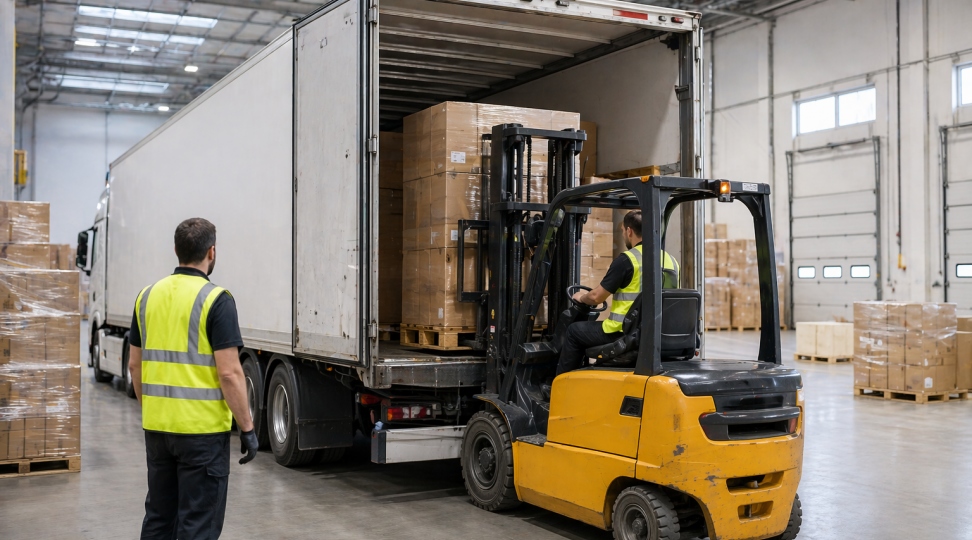
No. El conductor asegura la carga y conduce. La carga y descarga corren por su cuenta y la del destinatario. ¿No hay muelle de carga? ¿No hay montacargas? Solicite el servicio de plataforma elevadora con anticipación o prepárese para un conductor de mal humor y cargos adicionales.
¿Quién paga cuando la carga resulta dañada?
Depende de lo que haya ocurrido. ¿Embalaje deficiente? Eso es responsabilidad del remitente. ¿Carga o sujeción inadecuadas? Generalmente, es responsabilidad de la empresa transportista. Para mudanzas internacionales en Europa, el Convenio CMR establece la responsabilidad en unos 10 € por kilo, a menos que se declare un valor superior y se contrate un seguro adicional.
La cobertura estándar no es suficiente para mercancías valiosas. Contrate un seguro adicional si su envío tiene un valor superior al que desea deducir.
¿Necesito TIR?
No aplica para envíos dentro de la UE. Pero si cruza varios países fuera de la UE (por ejemplo, desde la UE a través de Turquía hacia Asia Central), el TIR ahorra horas o días en las fronteras. La aduana revisa los precintos, no la mercancía. Vale la pena consultarlo con su agente de aduanas.
¿Cómo puedo obtener un presupuesto que sea realmente exacto?
Proporcione a su agente de reenvío:
Direcciones exactas de recogida y entrega con códigos postales
Número de palets, peso total, dimensiones totales (largo × ancho × alto)
Descripción de la mercancía, incluyendo el código HS si lo conoce.
Fecha de recogida deseada
Cualquier requisito especial (refrigeración, materiales peligrosos, plataforma elevadora, etc.)
Cuantos más detalles se incluyan, menos sorpresas habrá en la factura final.
El transporte por carretera sigue siendo la forma más flexible de trasladar mercancías entre continentes. La diferencia entre un envío sin contratiempos y uno estresante suele radicar en el socio que se elija.
Si realiza envíos a Europa, Asia Central o Medio Oriente y desea analizar las opciones disponibles, DR Trans puede ayudarle. Nos encargamos de los desafíos logísticos que surgen en el transporte transfronterizo: buscamos rutas alternativas cuando se cierran las fronteras, resolvemos los problemas aduaneros y le mantenemos informado para que no tenga que estar actualizando constantemente la página de seguimiento sin saber qué está sucediendo.
Y respondemos a los correos electrónicos. Normalmente en cuestión de horas, no de eras geológicas.
Contáctanos para una consulta sobre tu próximo envío. Aunque finalmente no reserves con nosotros, al terminar la conversación tendrás una idea más clara de las opciones que tienes.

 IPv6 RED SOPORTADA