


“CIF” significa Costo, Seguro y Flete, un Incoterm utilizado en el transporte marítimo internacional para definir quién paga el transporte y el seguro. Bajo CIF, el vendedor es responsable de entregar la mercancía a bordo de un buque en el puerto de origen y de cubrir todos los costos hasta el puerto de destino convenido, incluyendo el seguro marítimo mínimo. En la práctica, esto significa que el precio del vendedor incluye el flete y el seguro básico hasta el puerto de entrada del comprador. Una vez cargada la mercancía, el comprador asume el riesgo de pérdida o daño. En resumen, los términos de entrega CIF exigen que el vendedor pague el envío y el seguro hasta el puerto de destino, y que el comprador se encargue de la descarga, los trámites aduaneros y la entrega en tierra.
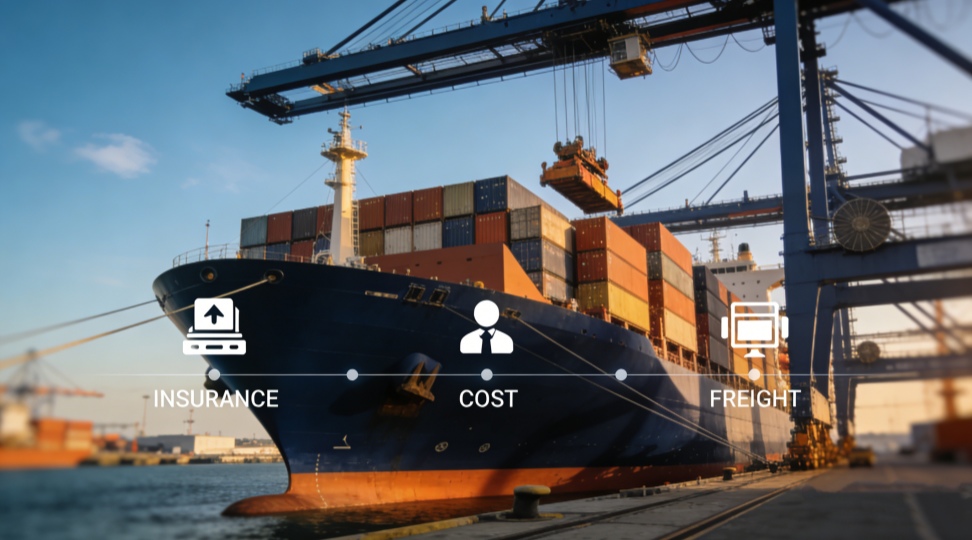
“Costo, Seguro y Flete (CIF)” es uno de los Incoterms oficiales definidos por la Cámara de Comercio Internacional. Bajo CIF, el vendedor debe pagar todos los gastos para llevar la mercancía al puerto del comprador, incluyendo el flete marítimo y el seguro marítimo mínimo. En pocas palabras, el vendedor entrega la mercancía a bordo del buque en el puerto de origen y cubre el flete y el seguro hasta el puerto de destino. El comprador se encarga de todo tras la llegada. Una fuente explica: “CIF es un acuerdo de transporte marítimo internacional que se utiliza cuando la mercancía se envía por mar o vía fluvial. Bajo CIF, el vendedor es responsable de cubrir los costos, el seguro y el flete del envío del comprador durante su tránsito”.
Dado que el CIF se aplica únicamente a los envíos marítimos, se utiliza para carga transportada por mar o vías navegables interiores. Por ejemplo, un importador europeo que recibe mercancías por mar desde Asia podría utilizar el CIF en un puerto europeo. En cambio, para el transporte aéreo o multimodal, se utilizarían otros Incoterms (como CIP en lugar de CIF). Las condiciones de entrega del CIF son claras: el vendedor carga y envía la mercancía al puerto convenido, y el comprador la descarga e importa a su llegada. A continuación, explicaremos los detalles.
Bajo los Incoterms CIF, las responsabilidades y los costos se dividen de la siguiente manera:
Responsabilidades del vendedor: El vendedor se encarga del despacho de exportación, el embalaje, el flete marítimo y el seguro hasta el puerto de destino. En la práctica, el vendedor debe gestionar toda la documentación de exportación y pagar la carga de la mercancía en el buque. El vendedor contrata un seguro marítimo mínimo (normalmente alrededor del 110 % del valor de la factura) que cubre el envío durante su navegación. En resumen, el vendedor paga el viaje marítimo y el seguro básico CIF.
Responsabilidades del comprador: El comprador asume el control una vez que la mercancía llega al puerto de destino. Se encarga de la descarga, el despacho de aduanas y los aranceles de importación, así como de cualquier transporte terrestre hasta el destino final. El comprador también asume todos los riesgos desde el momento en que la mercancía se embarca (véase más adelante). En otras palabras, tras el puerto de llegada, el comprador paga y gestiona todo lo demás.
En resumen, el CIF divide los costos y riesgos: el vendedor cubre los costos y el seguro hasta el puerto, mientras que el comprador asume el riesgo y los costos restantes después de ese punto. La siguiente tabla resume las obligaciones típicas del CIF:
| Responsabilidad | Vendedor (CIF) – Paga/Provee | Comprador (CIF) – Paga/Maneja |
|---|---|---|
| Carga (Transporte Marítimo) | Paga el flete marítimo hasta el puerto convenido | – |
| Seguros (Marítimos) | Organiza y paga el seguro básico hasta el destino. | – |
| Transferencia de riesgo | El riesgo pasa una vez que las mercancías se cargan en el buque. | Riesgo después de la carga (mercancías a bordo) |
| Trámites de exportación | Se encarga de las licencias de exportación, las aduanas y el papeleo. | – |
| Descarga e importación | – | Paga la descarga en el puerto y la aduana de importación. |
| Entrega local | – | Organiza el transporte hasta el destino final. |
Las responsabilidades del vendedor y del comprador en el régimen CIF están claramente definidas. El vendedor (a la izquierda) paga la exportación, el envío y el seguro; el comprador (a la derecha) cubre la descarga, la importación y la entrega final.
En la práctica, al enviar bajo CIF, las obligaciones del vendedor incluyen proporcionar la mercancía y la factura, despachar la mercancía para la exportación, cargarla en el buque y pagar el flete marítimo y la prima del seguro. El comprador debe gestionar la descarga en destino, el pago de los derechos de importación y el transporte terrestre de la carga.
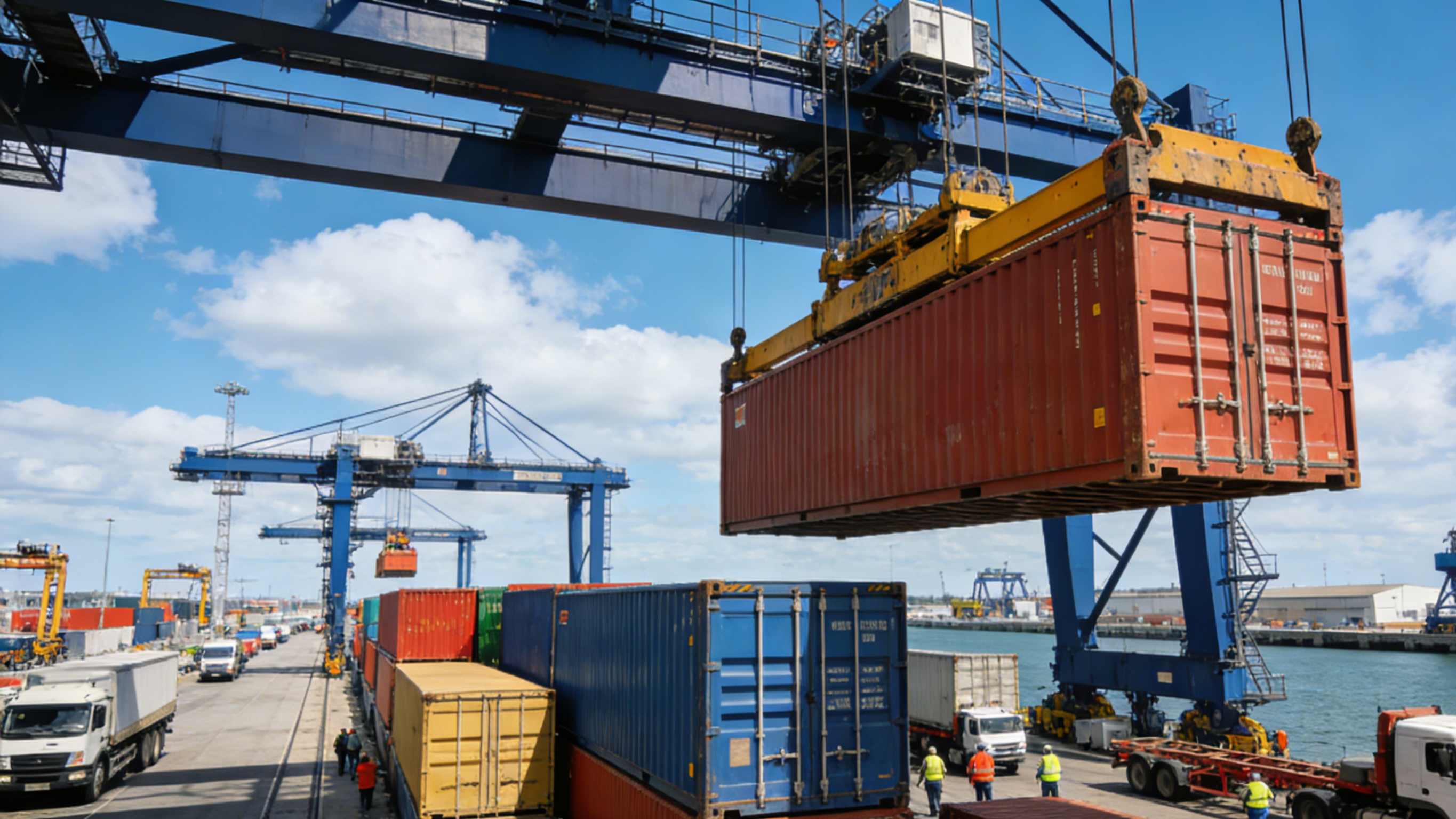
Un punto importante es cuándo se transfiere el riesgo. Bajo el régimen CIF, el vendedor paga un seguro para protegerse contra pérdidas o daños, pero el riesgo de pérdida se transfiere al comprador cuando la mercancía se carga a bordo del buque. En otras palabras, una vez que la carga se encuentra en la borda del buque en el puerto de origen, el comprador asume el riesgo. Si la mercancía sufre daños en el mar, el comprador debe presentar una reclamación a la aseguradora del vendedor. Como dice una fuente: «La transferencia del riesgo se produce cuando la mercancía se ha cargado en el buque, aunque el vendedor haya contratado un seguro».
El CIF se utiliza mejor en el comercio marítimo, donde el vendedor tiene acceso directo a la carga del buque. Es especialmente adecuado para carga a granel o fraccionada (como materias primas) que el vendedor puede cargar directamente. Por ejemplo, un exportador de granos de Sudamérica podría vender trigo a un comprador europeo bajo el CIF Róterdam. El vendedor sudamericano pagaría el envío y el seguro del grano a Róterdam, y una vez a bordo, el comprador se encargaría de todo tras su llegada.
El método CIF debe utilizarse cuando el vendedor tiene acceso directo al buque para la carga. El vendedor asume entonces los costos de transporte hasta el puerto, la carga en el buque, el despacho de exportación y el seguro hasta el destino. El riesgo se transmite al momento de la carga, pero el seguro del vendedor cubre el viaje hasta el puerto del comprador.
Sin embargo, el CIF no es adecuado para todos los casos. Cabe destacar que solo está diseñado para envíos marítimos (y fluviales). No se recomienda para carga en contenedores ni para envíos multimodales (aéreos/terrestres). De hecho, un error común es usar el CIF para contenedores. Dado que las mercancías en un contenedor ya están embaladas, es difícil detectar cuándo se producen daños, y la transferencia de riesgos a bordo del CIF puede resultar problemática. Los expertos en comercio advierten que, para el transporte marítimo de contenedores, es mejor usar Incoterms como FCA, CPT o CIP, diseñados para el transporte multimodal y de contenedores.
En resumen, utilice CIF al enviar por mar en condiciones convencionales de carga a granel y cuando el vendedor pueda gestionar la carga y el seguro. Si importa mercancías en contenedores o utiliza varios modos de transporte, considere otros Incoterms. Elija siempre la norma que mejor se adapte al transporte de las mercancías.
El CIF tiene ventajas y desventajas:
Beneficios: Para los compradores (importadores), el CIF es conveniente. El vendedor se encarga de la logística principal, por lo que el comprador evita tener que lidiar con transportistas o seguros en el extranjero. Los compradores solo tienen que esperar en el puerto de destino para descargar y pasar por la aduana. La inclusión del seguro (normalmente con una cobertura del 110%) proporciona una protección básica contra pérdidas. Para compradores sin experiencia o sin conocimientos de transporte, el CIF simplifica las compras internacionales.
Desventajas: Los compradores se enfrentan a una transferencia temprana del riesgo. En cuanto la carga está a bordo, el comprador asume cualquier pérdida o daño. Esto puede sorprender a los nuevos importadores que pensaban que el seguro lo cubría todo. Además, los compradores sacrifican parte del control: el vendedor elige el barco, el horario y la aseguradora. Esto puede generar mayores costos: el vendedor podría aumentar el precio del flete o las primas del seguro. En resumen, el CIF puede ocultar las tarifas y otorgar al vendedor mayor control, lo que podría no ser conveniente para los compradores que desean negociar sus propias tarifas.
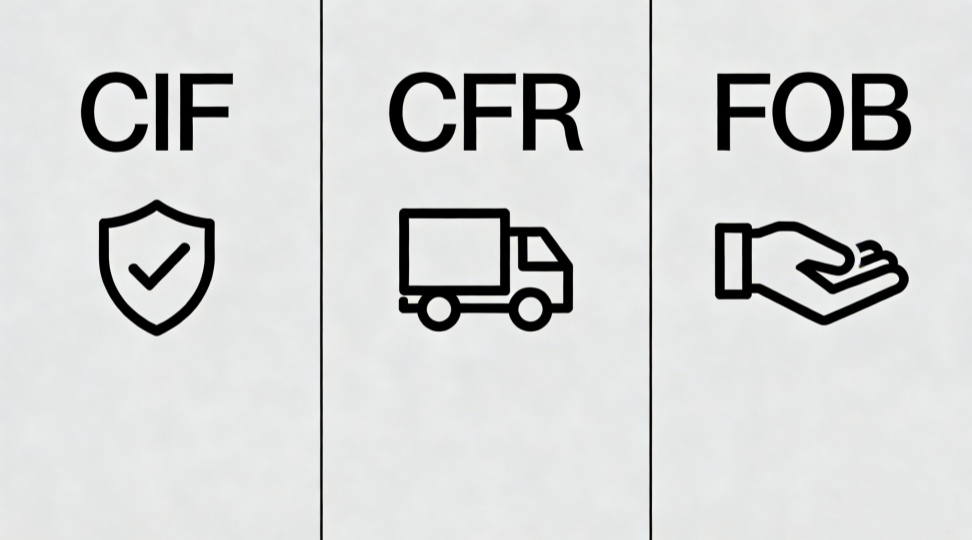
Los vendedores bajo CIF ceden parte del control (pagan los costos y el seguro), pero ganan en simplicidad en la venta. En cambio, términos como FOB (franco a bordo) o FCA (franco transportista) otorgan a los compradores mayor control, pero también mayor responsabilidad. Por ejemplo, bajo FOB, el comprador gestiona el transporte principal y el seguro, mientras que CIF los incluye en la factura del vendedor.
En definitiva, el CIF es útil para transacciones transfronterizas donde los compradores desean una entrega llave en mano en el puerto. Sin embargo, los transportistas deben ser conscientes de la contrapartida: la conveniencia de costos por la transferencia de riesgos.
P: ¿Qué incluye “Costo, Seguro y Flete” (CIF)?
A: En el régimen CIF, el vendedor paga tres cosas: (1) el costo de la mercancía, (2) el flete (transporte marítimo) hasta el puerto convenido y (3) el seguro mínimo que cubre el envío hasta dicho puerto. En otras palabras, el vendedor entrega la mercancía a bordo del buque en el puerto de origen y gestiona el envío y el seguro hasta el puerto del comprador. Una vez que la carga llega al puerto de destino, el comprador se encarga de la descarga, los aranceles de importación y la entrega local.
P: ¿Quién organiza el seguro y el transporte bajo CIF?
A: El vendedor gestiona y paga el flete marítimo y el seguro marítimo bajo CIF. El vendedor debe contratar un seguro (normalmente con una cobertura del 110%) para proteger la carga del comprador durante el transporte. El comprador no paga este seguro por adelantado. Si desea una cobertura adicional a la póliza básica, debe acordarla por separado. Bajo CIF, la responsabilidad del seguro del comprador solo comienza después de que la mercancía llegue al puerto de destino.
P: ¿Cuándo se transmite el riesgo del vendedor al comprador en términos CIF?
A: El riesgo se transmite cuando la mercancía se encuentra a bordo del buque en el puerto de origen. Esto significa que, una vez cargada la mercancía en la borda del buque, el comprador asume la responsabilidad por pérdidas o daños. La obligación del vendedor (aparte del seguro) finaliza en ese momento. En la práctica, esto significa que si ocurre algo en el mar después de la carga, el comprador asume el riesgo y debe reclamar a la aseguradora del vendedor.
P: ¿Se puede utilizar CIF para envíos en contenedores o aéreos?
A: No. El CIF se aplica estrictamente al transporte marítimo o fluvial. No se recomienda para carga en contenedores ni otros medios de transporte. Para el transporte de contenedores, utilice términos como FCA, CPT o CIP. Para envíos aéreos o multimodales, CIP (Transporte y Seguro Pagados) es el equivalente más cercano (ya que CIP se aplica a cualquier medio de transporte y requiere seguro). En resumen, nunca utilice CIF para envíos aéreos ni solo por camión.
P: ¿Cuál es la diferencia entre CIF y CFR?
A: CIF (Costo, Seguro y Flete) es prácticamente igual que CFR (Costo y Flete), salvo que CIF exige que el vendedor obtenga un seguro, mientras que CFR no. Tanto con CIF como con CFR, el vendedor paga los gastos de envío hasta el puerto de destino, pero con CIF, el vendedor también proporciona el seguro marítimo. En cambio, con CFR, el comprador debe contratar el seguro por su cuenta. Esta diferencia significa que CIF ofrece al comprador cierta cobertura automáticamente, mientras que CFR le otorga la responsabilidad total del seguro.
P: ¿Cuáles son las condiciones de entrega CIF?
A: En el marco del método CIF, la entrega se refiere a la entrega realizada por el vendedor una vez que la mercancía se carga en el buque en el puerto de origen. El término más común es FOB Origen (en el contexto CIF). En la práctica, la obligación de entrega del vendedor se cumple en el puerto de origen. El comprador debe entonces descargar el buque en el puerto de destino y completar el despacho de importación. En otras palabras, el término CIF se centra en la entrega en el puerto de destino, no en el almacén final.
P: ¿Cómo puede DR Trans ayudar a los clientes con los envíos CIF?
A: DR Trans se especializa en transporte y logística internacional. Ayudamos a nuestros clientes a resolver sus problemas de envío y a aplicar los Incoterms adecuados para cada operación. Para envíos CIF, nuestros expertos pueden gestionar la exportación, el envío y el seguro en nombre del vendedor o aclarar las responsabilidades del comprador en destino. Guiamos a cada cliente a través de los trámites y la normativa, garantizando la correcta aplicación de los términos de entrega CIF. En resumen, DR Trans ofrece soluciones profesionales de envío para que nuestros clientes puedan centrarse en su negocio, no en el papeleo.
Costo, Seguro y Flete (CIF) es un término de transporte marítimo ampliamente utilizado que define claramente los costos y el riesgo del transporte marítimo. Bajo el CIF, el vendedor paga el envío y el seguro de la mercancía hasta el puerto acordado, mientras que el comprador paga a partir de ese momento. Es ideal para carga marítima estándar, ya que el vendedor puede cargar el buque directamente. El CIF simplifica las transacciones para los compradores, pero transfiere el riesgo anticipadamente. En cualquier caso, todas las partes deben leer atentamente los Incoterms.
En DR Trans, ayudamos a importadores y exportadores a comprender y aplicar el CIF y otros términos. Con asesoramiento profesional, nuestros clientes en Europa y el resto del mundo pueden evitar dificultades en el comercio internacional. Nos comprometemos a encontrar el método de envío más seguro y eficiente para cada envío, asegurándonos de que usted sepa exactamente quién paga qué y cuándo.

 IPv6 RED SOPORTADA